

Heel Spurs and Heel Pain
The heel is the back part of your foot that absorbs a large amount of impact every time you stand, walk, or run. At the base of the heel bone (calcaneus), several important structures attach, including the plantar fascia, a thick band of tissue that supports the arch of your foot. This area endures significant stress throughout the day, especially during weight-bearing activities.
What are Heel Spurs and Heel Pain?
Heel spurs are small bony growths that can develop on the underside of the heel bone over time. They are often associated with long-term strain on the foot, particularly where the plantar fascia attaches to the heel. While the spur itself is a physical change in the bone, the pain most people feel usually comes from irritation and inflammation of the surrounding soft tissues.

Heel pain often starts as a sharp or stabbing sensation under the heel, especially with the first steps in the morning or after periods of rest. As you begin to move, the pain may temporarily ease, but it can return with prolonged standing or activity. Some people also describe a deep ache or tenderness directly under the heel.
In many cases, heel spurs are linked with plantar fasciitis, where repeated stress causes small amounts of damage to the tissue. Over time, the body may respond by forming extra bone in the area. However, not everyone with a heel spur experiences pain, and not all heel pain is caused by a visible spur.

This condition is common in individuals who spend long hours on their feet, wear unsupportive footwear, or have foot mechanics that place extra strain on the heel. It can also develop with age, weight changes, or sudden increases in activity. If left untreated, the discomfort can become more persistent and begin to affect daily movement.
How to Treat Heel Spurs and Heel Pain
Treatment for heel spurs and heel pain typically focuses on reducing stress on the heel and allowing the irritated tissues to recover. This often includes modifying activity levels, avoiding prolonged standing on hard surfaces, and gradually returning to normal movement as symptoms improve.
Supportive footwear plays an important role by cushioning the heel and improving how pressure is distributed across the foot. Shoes with good shock absorption and proper support can reduce repeated impact and help relieve discomfort throughout the day. Most people respond well to a consistent, conservative approach, though more persistent cases may benefit from professional evaluation.
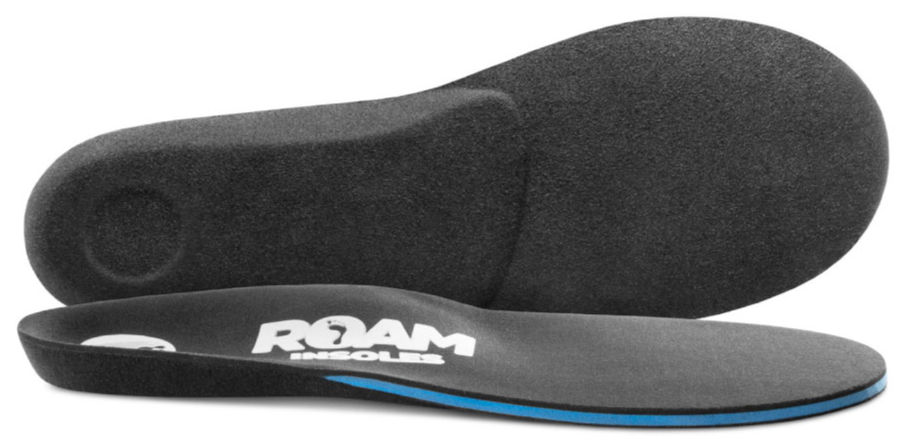
Custom orthotic insoles can be especially helpful as part of a heel pain treatment plan. They work by improving overall foot alignment and reducing excessive strain on the plantar fascia and heel. Features like targeted arch support and heel cushioning help absorb impact and prevent repeated stress in the same area.
In particular, cushioned heel cups or built-in heel support can help offload pressure from the painful area and provide immediate relief during walking or standing. By distributing forces more evenly across the foot, custom insoles reduce irritation and support the healing process over time. For individuals with specific foot structure or movement patterns, a customized solution can make a significant difference in both comfort and long-term outcomes.
Conclusion
Heel spurs and heel pain are common but manageable conditions, especially when addressed early. Understanding how stress affects the heel, recognizing the warning signs, and taking steps to reduce strain can help prevent symptoms from becoming chronic.
With the right combination of activity modification, proper footwear, and supportive solutions like custom orthotic insoles, most people can return to their normal routines with less pain and improved comfort. Paying attention to early symptoms and making simple adjustments can go a long way in keeping you active and pain-free.


Comments